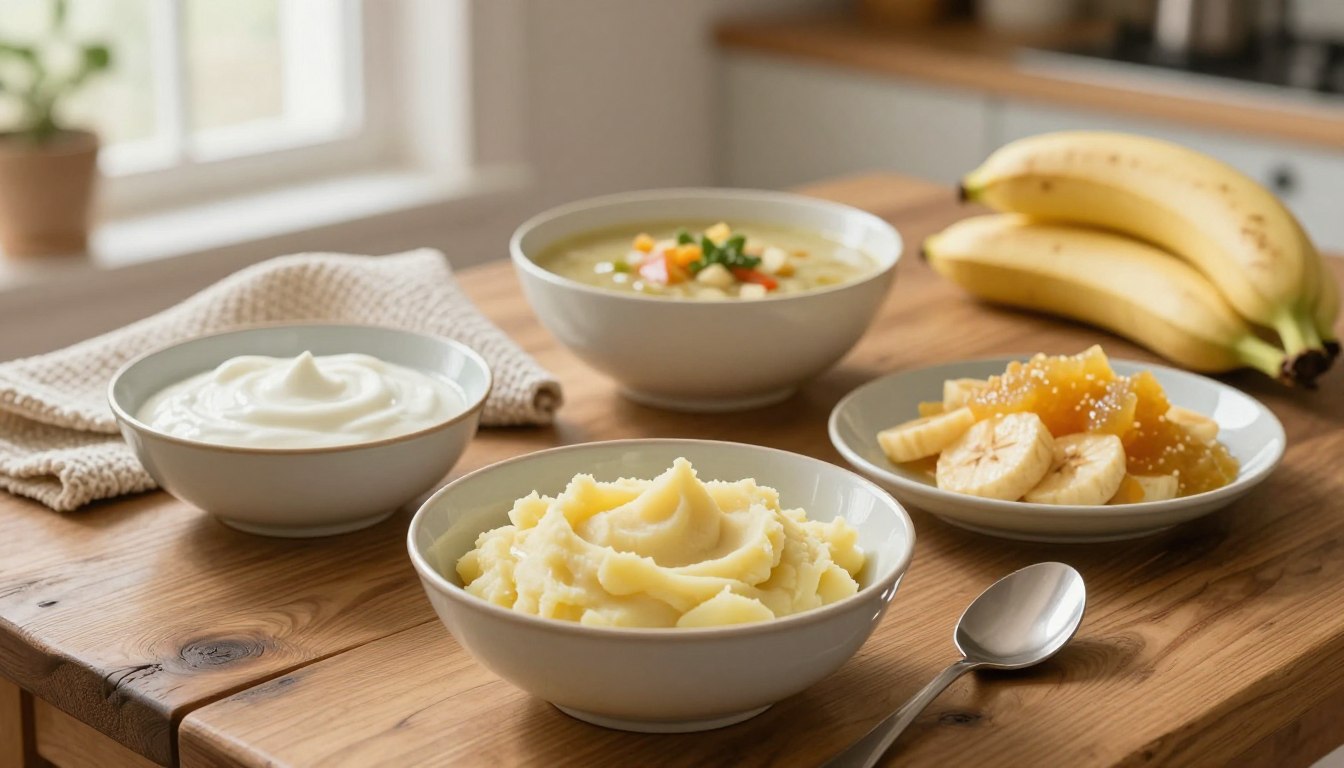
Have you ever wondered if a simple change in texture could make recovery easier and more comfortable?
This guide showed you how a focused soft diet helped people recover after surgery and manage delicate conditions. The plan emphasized gentle, nourishing choices so your body could heal without stress.
The SOFTDIET provided a structured approach to eating that paired safe soft food options with balanced meals. You learned which foods were friendly and which to avoid, and how to combine drinks and solid food to keep energy steady.
By following these diets, you reduced the chance of irritation and pain while keeping meals palatable. The steps were practical, easy to follow, and built to transition you back to regular textures when ready.
Key Takeaways
- Structured eating helped ensure proper nutrition during recovery.
- Soft foods and gentle drinks reduced discomfort and risk after procedures.
- The plan explained which foods to choose and which to avoid.
- Balanced meals kept energy steady while you healed.
- Following the soft diet made the shift back to regular textures smoother.
Understanding the SOFTDIET and Its Clinical Purpose
A planned shift to softer meals protects the airway and supports healing after procedures.
Defining the diet
The National Dysphagia Diet (NDD), published by the Academy of Nutrition and Dietetics in 2002, set standards for texture-modified nutrition. It divides options into three levels to match a patient’s swallowing ability.
Clinical Applications
Level 1 is puréed foods, Level 2 is mechanically altered, and Level 3 is advanced soft food textures. Your provider will pick a level based on how well you can chew and protect your airway.
- Guideline origin: The 2002 NDD standardized clinical care for dysphagia and similar needs.
- When it’s used: These diets are common after major surgery or when sensation in the mouth or tongue is reduced.
- Why it helps: Texture modification lowers risk, aids digestion, and supports nutrition during recovery time.
Identifying Who Benefits from Texture-Modified Nutrition
Certain health events make a softer texture not just pleasant, but necessary for safe eating. A targeted soft diet helps protect healing tissues and keeps your nutrition on track.
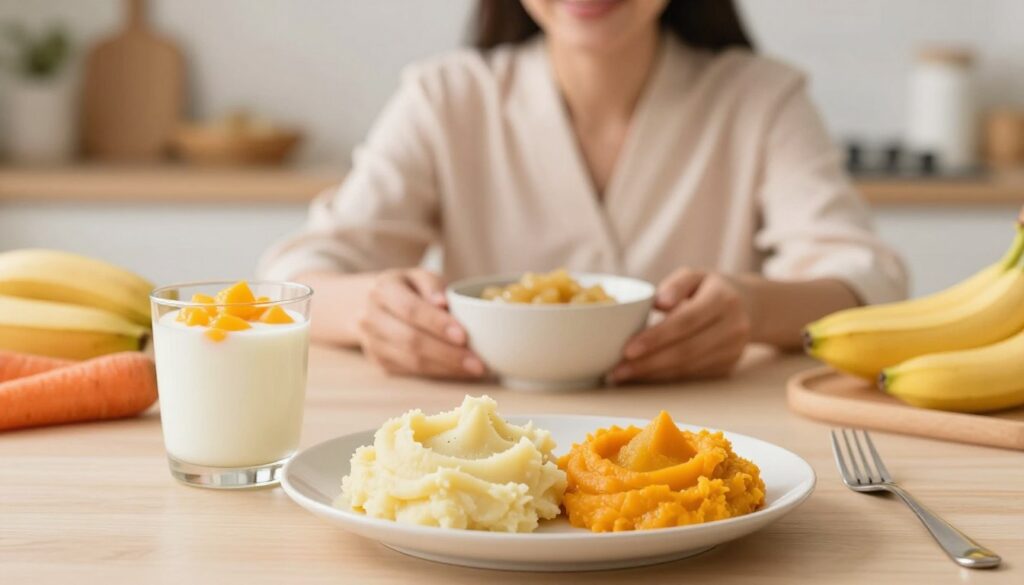
Who commonly needs these diets:
- People after wisdom teeth removal, major jaw procedures, or dental implant surgery often need gentle foods to avoid stress on the mouth.
- If you have dysphagia or reduced swallowing strength, your team may prescribe a specific level of texture-modified nutrition.
- Stroke survivors who lost lip or tongue control, and patients with neurodegenerative disease, benefit from foods that require minimal chewing to lower aspiration risk.
“Your medical team will match the texture level to your swallowing ability and safety needs.”
Talk with your provider about the right diet and level of modification for your recovery. Clear guidance ensures safer eating and steady healing.
Essential Foods to Include in Your Daily Routine
Choosing the right everyday foods makes healing faster and keeps meals enjoyable. Build a daily plan that balances texture, calories, and easy-to-swallow nutrients. Small swaps can help you meet protein and vitamin needs without adding chewing stress.
Protein Sources
Include high-quality protein every day to support tissue repair after surgery. Ground beef, shredded chicken, and flaked fish are easy to mash or mix into sauces. Soft dairy products like cottage cheese and yogurt add protein and are simple to eat. Use eggs for versatile, gentle meals.
Fruits and Vegetables
Choose soft fruit such as peaches and ripe bananas to get natural sugars and vitamins. Cook vegetables until tender and mash or puree if needed. Fruit juice and water help with hydration while supplying small amounts of calories.
Grains and Starches
Moisten grains and cereals so bread, rice, and oatmeal glide easily. Add butter or smooth peanut butter to increase calories and flavor. Plain cream or a splash of milk can make cereals easier to swallow and boost energy for the day.
“Focus on nutrient-dense options that fit your texture needs and keep meals satisfying.”
- Tip: Dairy and soft cheeses are quick ways to up protein and calories.
- Tip: Blend or mash meats and grains into soups or stews for easier swallowing.
Foods and Ingredients to Avoid for Safety
Some foods can slow healing or raise the risk of choking, so knowing what to skip matters. This short list highlights common irritants and textures that you should avoid while following a soft diet.
Common Irritants and Textures
Hard, crunchy items like whole nuts and seeds are major choking hazards. Do not add them to salads, cereals, or snacks while you’re recovering.
Highly acidic fruit such as lemons and limes can irritate sensitive tissue. Raw vegetables and fibrous greens are also hard to chew and can cause discomfort.
Tough meats and stringy vegetables strain chewing and digestion. Remove crusty breads, dried fruits, and similar ingredients that break into sharp pieces.
- Avoid nuts and seeds in any whole form.
- Skip raw vegetables and acidic fruit that can irritate the mouth.
- Do not eat tough, fibrous meats or crusty breads.
- Limit drinks with alcohol or high caffeine that may affect recovery.
| Category | Examples to Avoid | Risk | Safer Alternative |
|---|---|---|---|
| Nuts & Seeds | Whole almonds, sunflower seeds | Choking, abrasion | Nut butters (smooth) |
| Acidic Fruit & Raw Veg | Lemons, limes, raw carrots | Irritation, discomfort | Cooked or pureed fruit, mashed vegetables |
| Tough Meats & Fibrous Veg | Steak, stringy celery | Hard to chew, digestion issues | Shredded chicken, well-cooked squash |
| Dry/Crusty Items & Drinks | Crusty bread, dried fruit, alcohol | Texture mismatch, dehydration, interaction | Moistened bread, rehydrated fruit, water or juice |
“By limiting these restricted foods, you protect your mouth and digestive system while you focus on healing.”
Practical Strategies for Managing Your Daily Meals
Small changes in how you plan meals can make recovery simpler and less stressful. Plan for small, frequent meals across the day instead of three large portions to protect your weight and energy.
Use tools like a blender or food processor to adapt ingredients into pleasant textures. These appliances let you enjoy familiar foods while keeping them safe to swallow.
Sit upright and take your time while eating. Chew each bite fully and pause between sips of drinks to reduce the risk of choking.
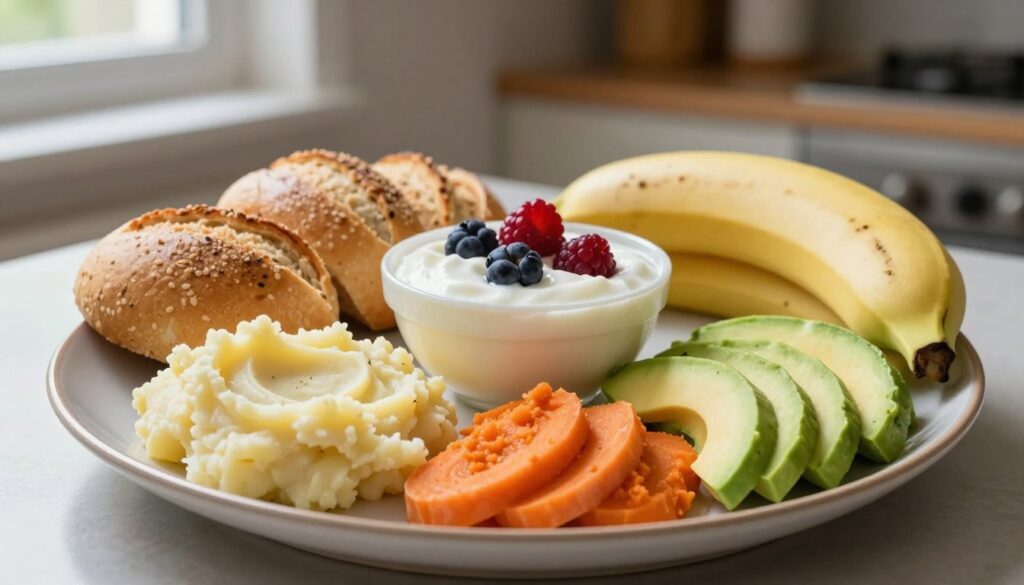
Boost calories and protein by adding powdered protein to soups and drinks. This helps your health and strength after surgery without extra chewing.
| Strategy | How to do it | Benefit | Quick tip |
|---|---|---|---|
| Small, frequent meals | Eat 5–6 small meals a day | Manage weight and energy | Prep portions in advance |
| Texture tools | Blender, food processor | Make soft food from favorites | Strain soups for smoothness |
| Hydration timing | Take water between bites | Eases swallowing and digestion | Confirm with your care team |
| Protein boost | Add powder to drinks or purees | Supports tissue repair | Choose unflavored for versatility |
Tips for Maintaining Nutrition and Weight
Keeping your weight steady after surgery often comes down to small, daily choices you make at each meal. Focus on combining energy-dense foods and easy-to-swallow dishes so you meet calorie and protein needs without extra chewing.
Fortifying Your Drinks
Fortify milk by adding four tablespoons of dried skimmed milk powder to one pint of full‑fat milk. This boosts calories and protein in a single drink.
Aim for 6–8 cups of fluid each day. Take most drinks after meals to avoid filling up too fast during eating time.
Meal Preparation Techniques
Use cheese, butter, and cream in mashed potatoes or soups to raise the energy density of meals. Cook meat and fish until tender, then flake or mince to a safe level for your mouth.
- Use eggs, soft bread, rice, and cereals to build balanced meals.
- Puree fruit like peaches into yogurt or porridge for a soft, sweet boost.
- Add a little sugar or honey to porridge and drinks if you need extra calories to protect weight.
“Always check with your care team about dysphagia or specific level recommendations before changing textures.”
Conclusion
Choosing easy-to-chew options now helps prevent setbacks and supports steady recovery.
Following a soft diet is a short-term but important step to protect healing and maintain your health. Pick nutrient-dense foods and prepare them so they glide easily. This helps keep calories stable while you rest.
Always follow the specific advice from your medical team to protect swallowing and balance nutrition. These gentle diets are meant to make eating easier and give your body time to regain strength.
With mindful planning and the right food choices, you can move through recovery confidently and return to regular diets when your provider clears you.